

10.09.2026
Design Connect: An Inside Look at the Architecture Team’s Trip to Miami
Susan Moynihan
A creative team needs connection and inspiration — which was the incentive behind the Interstruct architecture team’s recent design-focused field trip to Miami. With eight members of the A-team across three offices, we wanted to get their take on what they saw and experienced together, and how experiences like Design Connect impact how they see the world and the work they do at Interstruct.
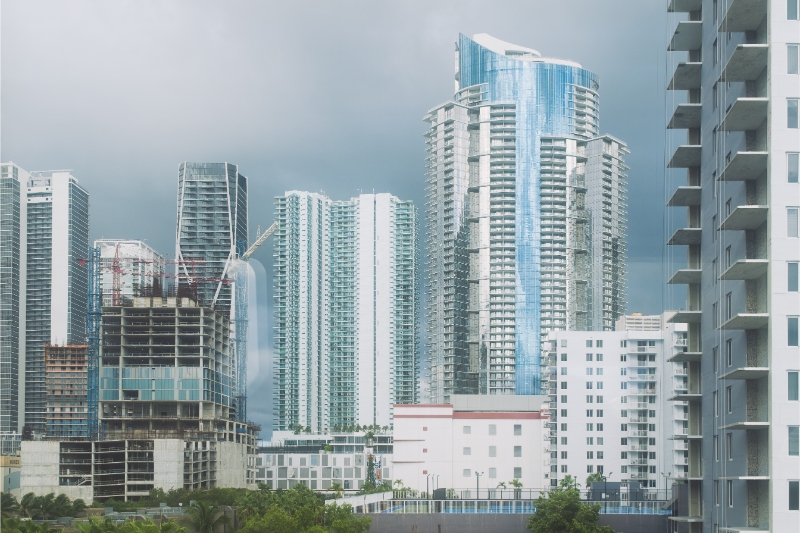
Interstruct’s architecture team is foundational to our design + build approach. But with the eight members of the team spread out among three offices in two states, face time is both a luxury and an essential. So this August they headed down to Miami to see some great art, study how other cities approach design and development, and most of all, spend time together.
“We’re not typically involved on a daily basis, so it was a way of learning more about each other, but doing that while seeing artwork and design to help our work and ideas,” says Nate Wallace, associate principal of the Orlando office, who planned the trip with fellow associate principal Carlo Hernandez, from the Tampa office.
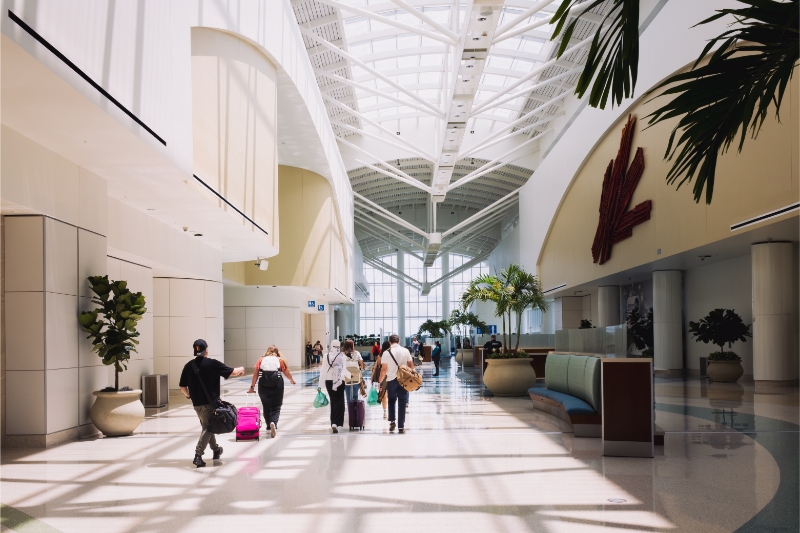
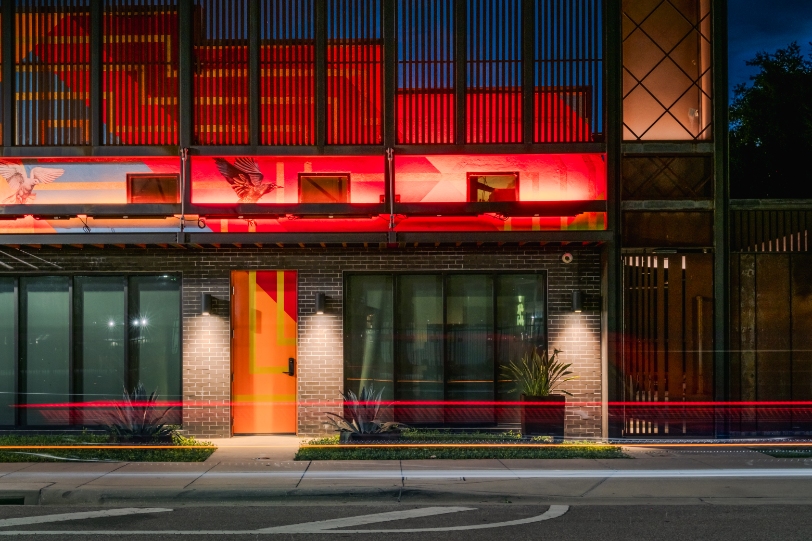
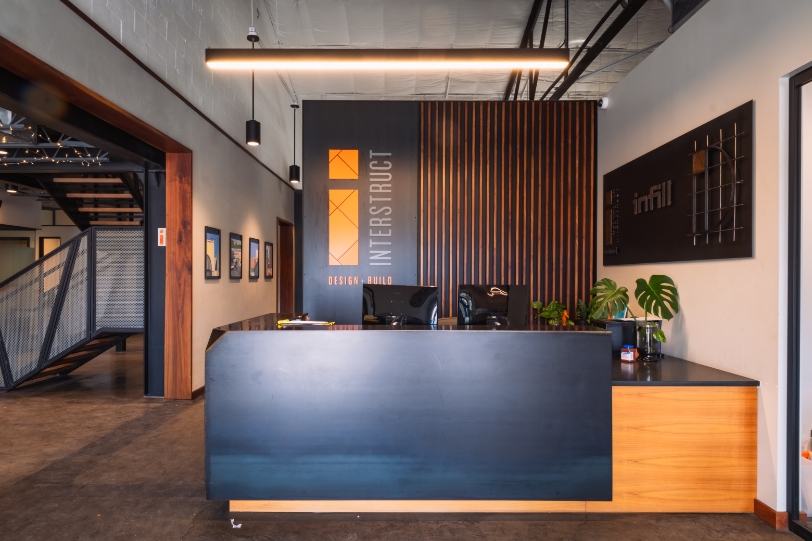
The Charlotte and Tampa A-team members first came to Orlando, with everyone spending a day at the Interstruct HQ on West Church Street and getting to know each other. Then they boarded the Brightline for a long weekend in Miami.

They checked into Domus Flats in Brickell Park. The new residential hotel gets raves for its central location as well as its chic interior décor, which gave the team their first piece of travel syngery. “The light fixtures were ones we’ve used for past projects,” says Nate. And the rooftop pool gave them the perfect vantage point for the lunar eclipse that took place during their trip. “All of these serendipitous things we were having was cool—you don’t get that unless you go to a new place.”

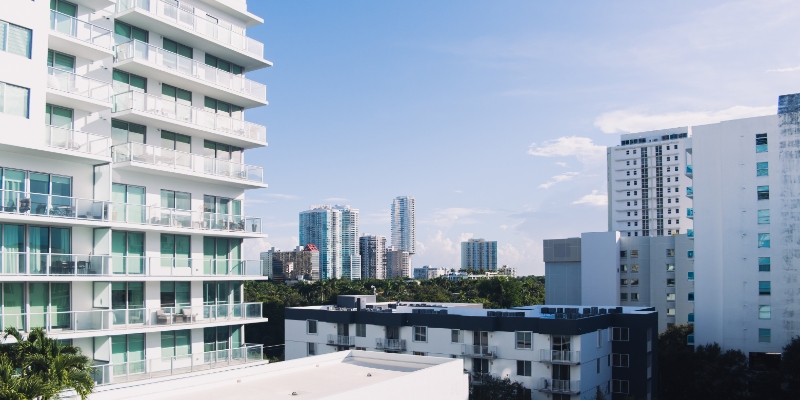
The agenda was filled with art stops chosen to inspire as well as classic Miami experiences like Lincoln Road and breakfast at Little Havana’s Cafe Versailles. The aim was to see new things, and get to know each other better.
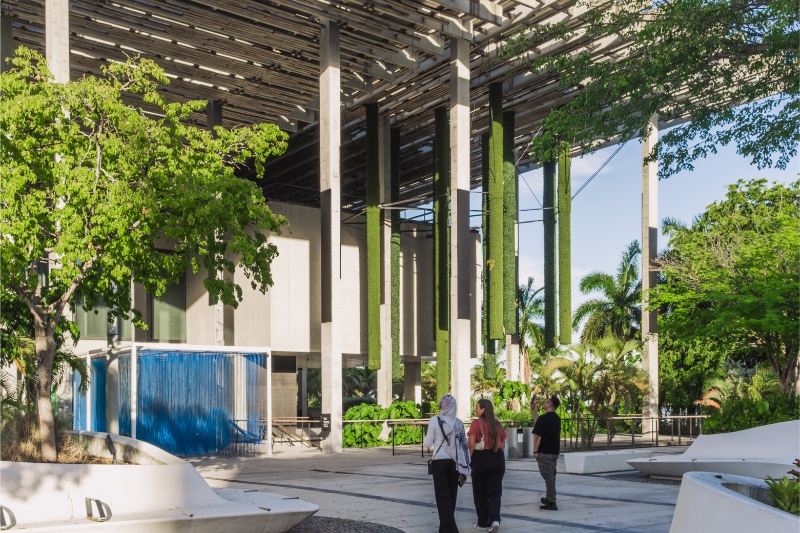
The first stop was the Perez Art Museum Miami (PAMM), a waterfront contemporary art museum in downtown Miami. The Basquiat: Figures, Signs and Symbols exhibit broke the ice. “It started a discussion between a few of us, on how that relates to architectural vision and conceptual ideas that we have, and be able to come up with things that are quote unquote ‘art.’ It was an interesting discussion to have in the midst of an interesting exhibit that we were interacting with,” says Nate.
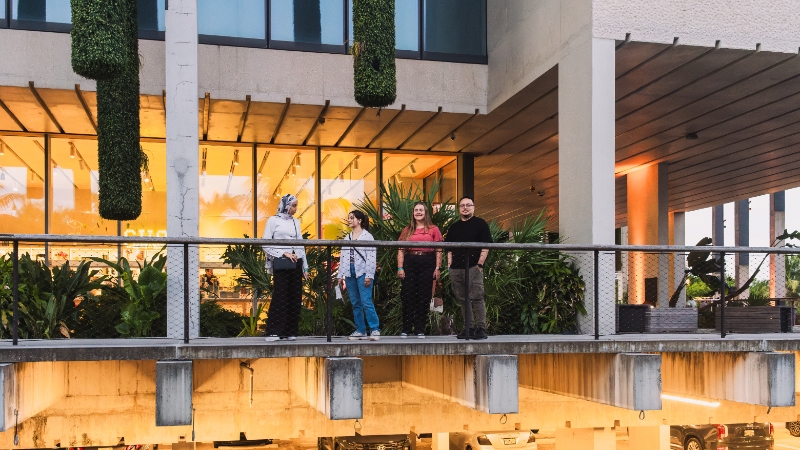
As well as being a world-class museum, PAMM is itself a notable architectural work, incorporating elevated galleries that mitigates tidal storm surges from adjacent Biscayne Bay, and suspended hanging gardens that create an oasis effect. “It’s a really interesting example of architectural play,” says Nate. That, along with the interaction of the park next to PAMM and the museum itself, was probably the most impactful interaction we had with landscape architecture.”
For architectural project manager Dennis Teran, the park surrounding the museum was what stood out the most. “What I found interesting was how close we were to the city, and how I didn’t feel like we were in the city as soon as you got to the museum campus. They’ve done a great job of buffering all that city noise. Being alongside the water helps a lot too — it felt like we were nowhere near downtown.”
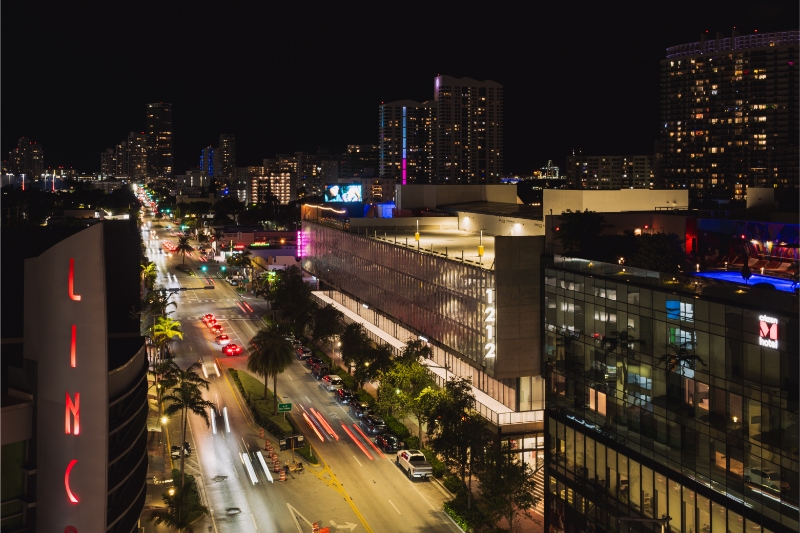
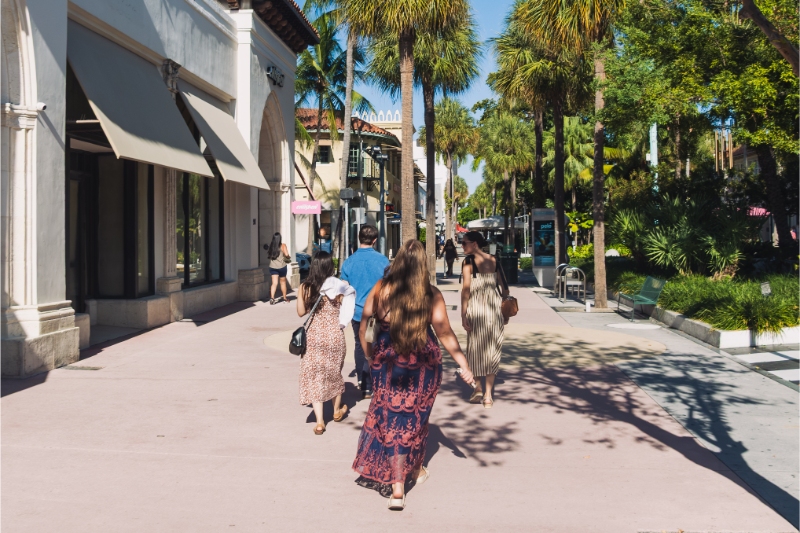
A walk to their dinner spot on Lincoln Road got them thinking about placemaking as a part of urban development. Placemaking as a tenet of responsible, community-centered urban development is a key ethos to Interstruct, evidenced in projects like the FORDify the Arts courtyard that transformed an unused downtown Orlando alley into a pocket park and public events space. In Miami, the group was impressed with the distinct attention paid.
“We walked through Lincoln Road for a short span—that’s a good example of infill urban placemaking. I would say that the city—in particular, the buildings and the in-between spaces—seems like it was touched by somebody; that someone had thought about it and designed those treatments between buildings,” says Nate. Many developers think only in terms of buildings, not how they relate to each other or to the spaces that separate them. “But it’s those in-between spaces that make a city interesting or a neighborhood special,” he adds. “So seeing a city that has advanced more with it than ours is cool. Interstruct has a huge opportunity to infuse that idea in Parramore and Orlando at large.”
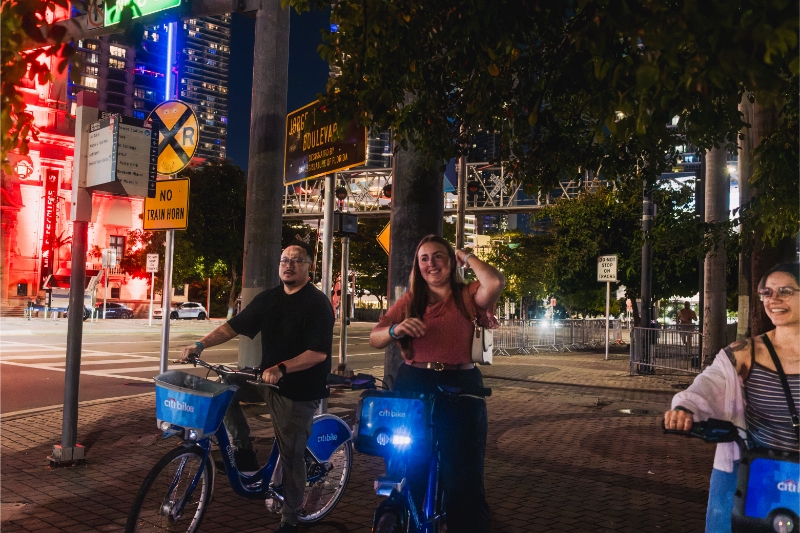
The A-team also saw the city from different vantages: train, car, on foot, and by e-bike. “Taking a bike was not only fun — just as a group of eight taking city bikes downtown — but you get to see the city a little differently, even on a short ride,” says Nate.
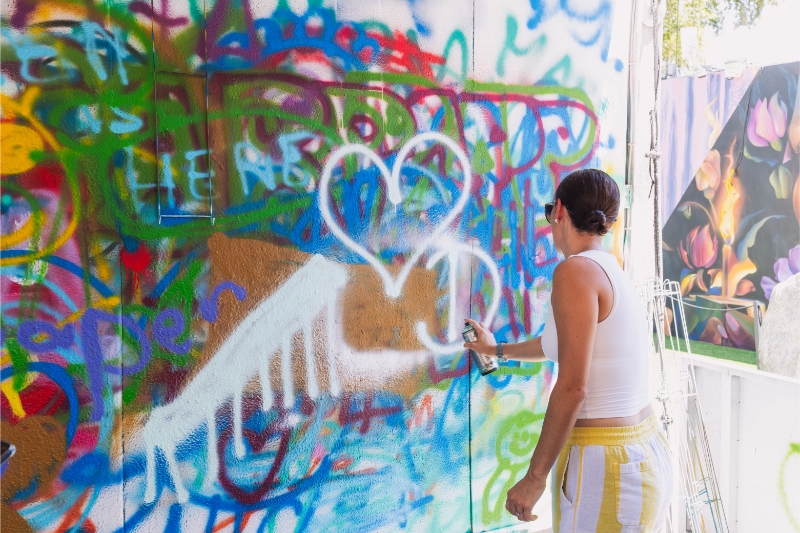
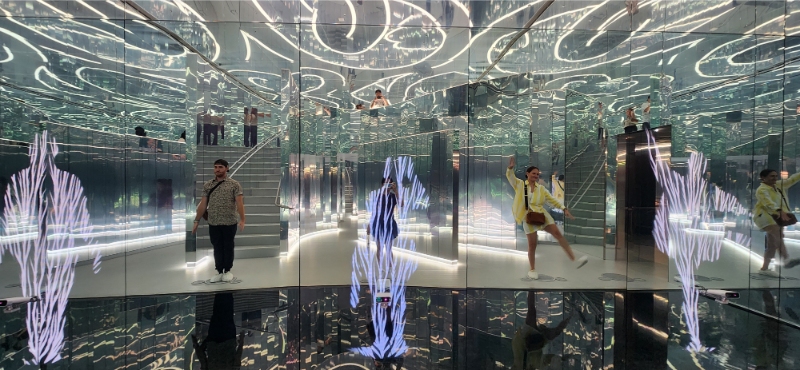
But it wasn’t all work. A guided tour at the Wynwood Walls street art museum included the chance to try out their graffiti skills. Superblue Miami is an immersive digital playground of light and mirrors, and was prime spot to play with photography against an ever-changing backdrop.
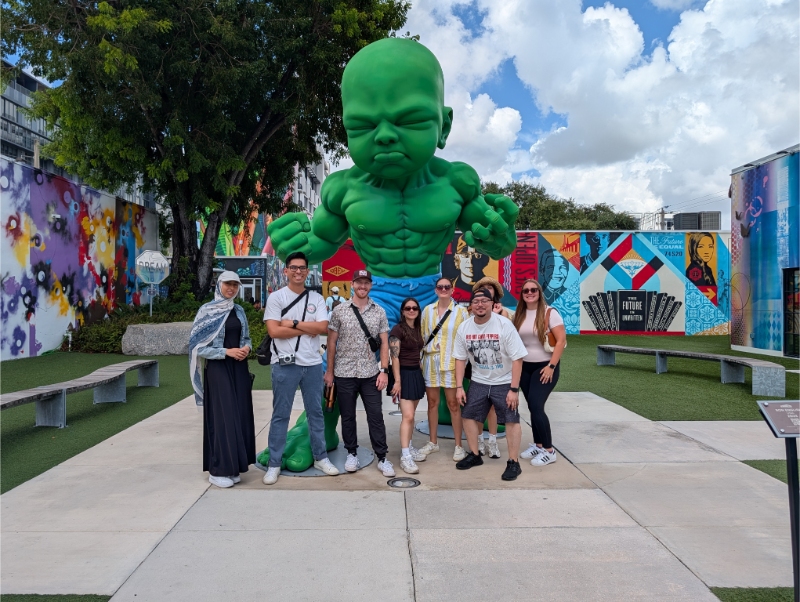
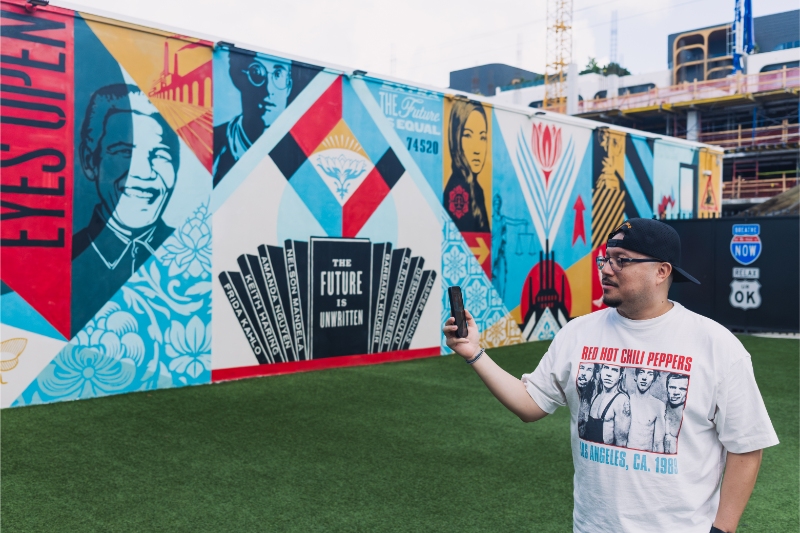
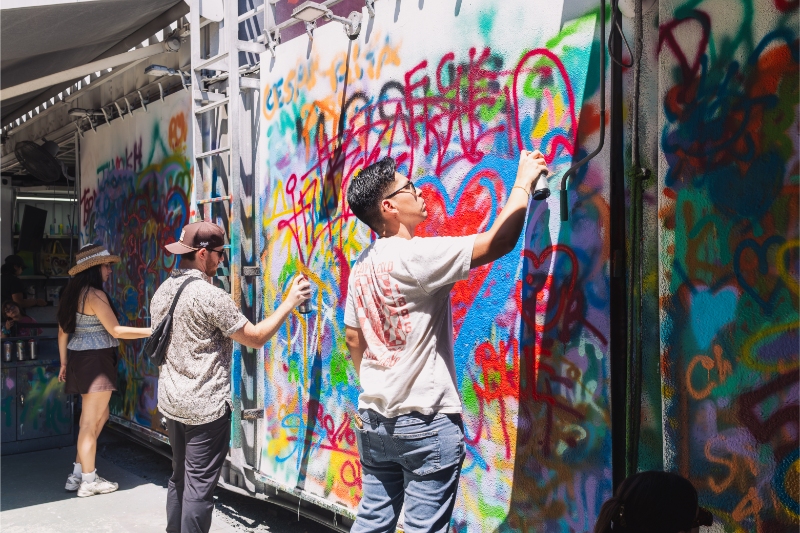
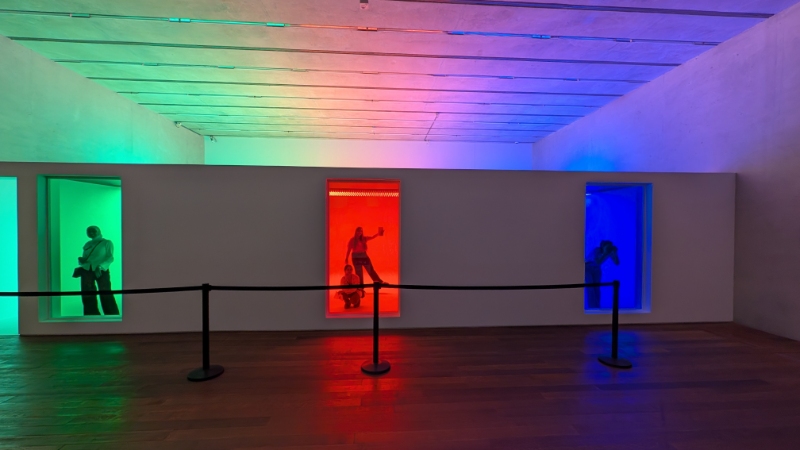

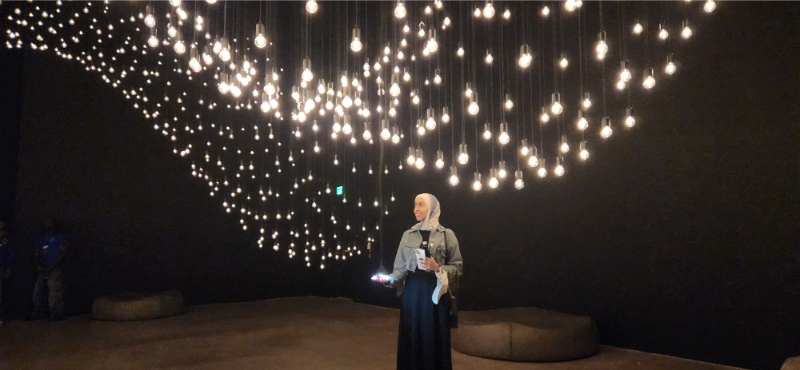
For architectural associate Isabella Wilhelm, Miami’s overall style stood out. “All of their design is just that much elevated. And the attention to detail was super impressive to me. We visited a lot of places that were very well-designed, both interior and exterior, and I kept thinking about how I could translate those elements into our projects.”
As important as the creative inspiration was, it was the time spent together that was most valuable. “On a trip like this, what Carlo and I like to look out for is not being too serious all the time,” said Nate, who is the office principal in Orlando while Carlo leads in Tampa. “We’re not just there to be a part of the trip; we’re there to get to know each other, to be better people for each other,” says Nate. “Being a good workplace with an environment that’s comfortable and not on edge — Carlo and I have focused on that. The speed and nature of design and construction is already stressful enough; there’s no reason to add to the stress with personalities. I’m proud of the team we have here, of individuals that are compassionate and interpersonal, and that we care about each other. Trips like these just help to reinforce kind of the relationships that we’ve been building.”
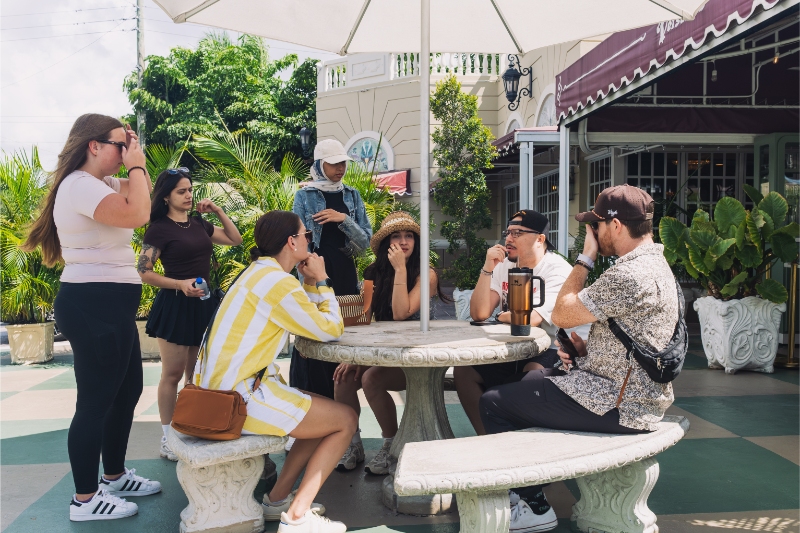
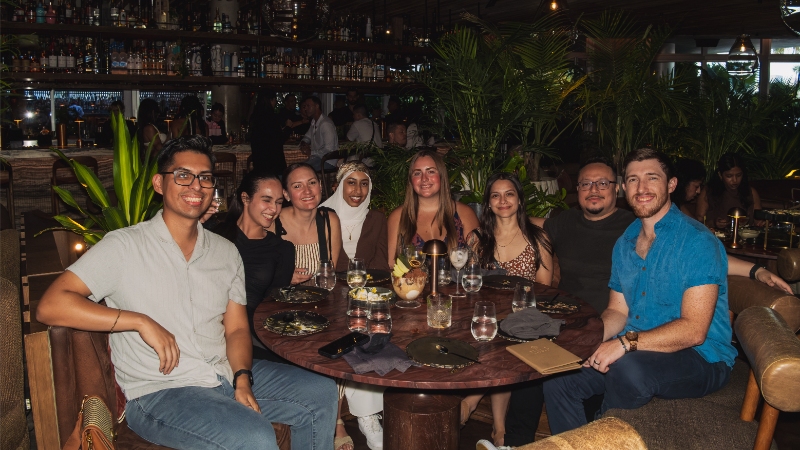
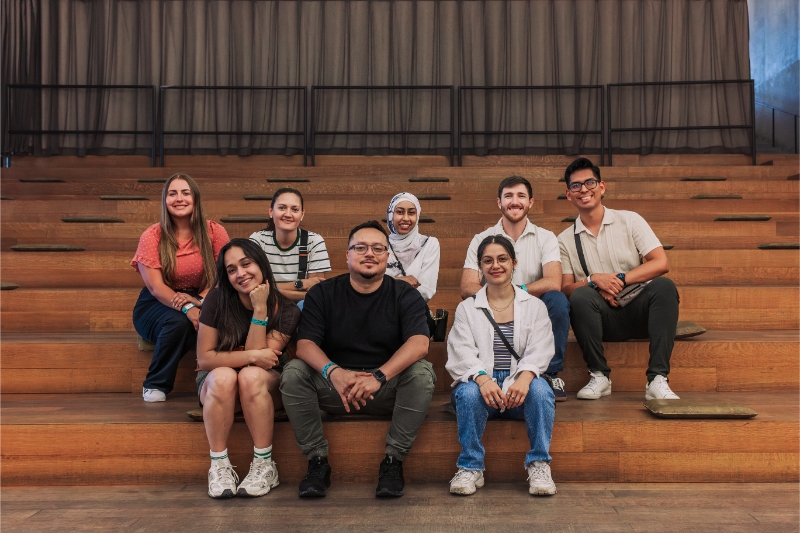
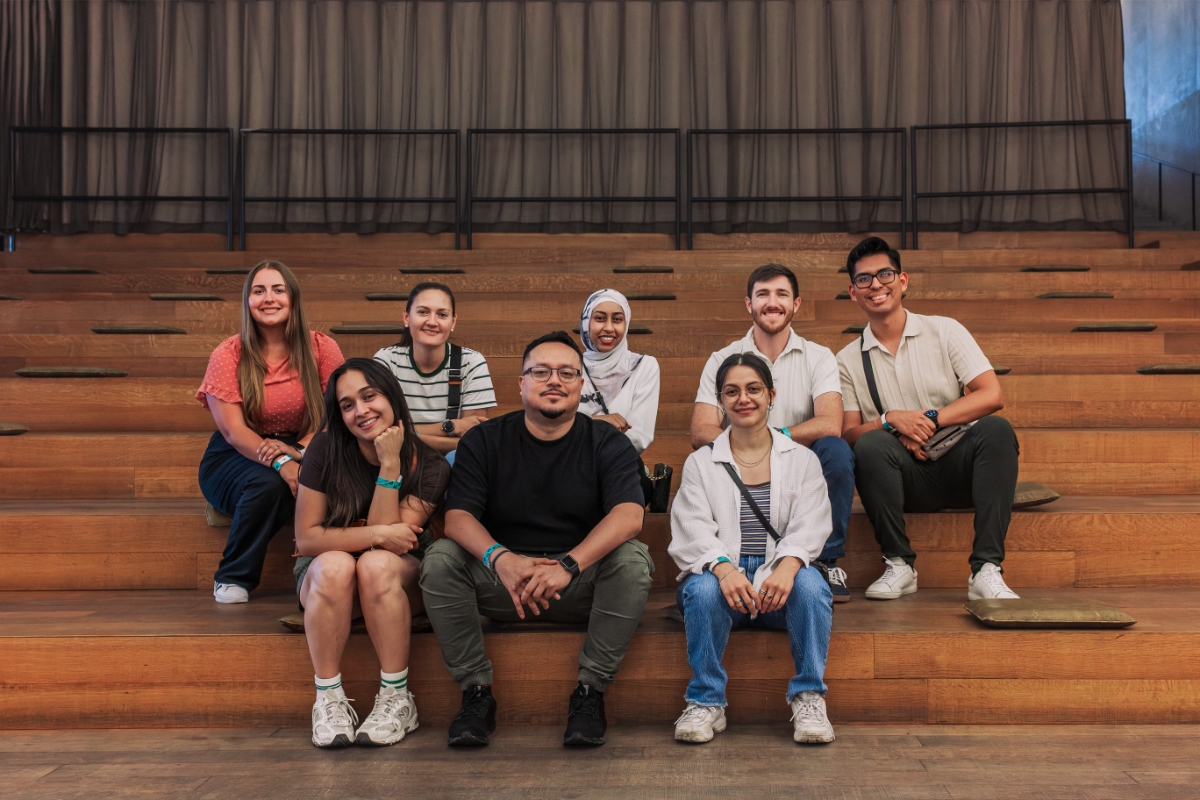
Righthand photo: Pictured from left are Kaylynne Hoover, Isabella Wilhelm, Dennis Teran, Carlo Hernandez, Amira Sherif, Metzli Barr, Nate Wallace, Ricardo Hernandez
And the benefits of a connected workplace extend far beyond Interstruct. “It was my priority for this office that the relationships we have are meaningful, because the better the relationships are in the office, the better the relationships we have with everybody else we work with—all the other professional relationships, all other clients and consultants we work with,” says Nate. “If we care about each other, we care about others as well.”
Ideas are already being thrown around for next year’s trip. Another region of the U.S.? Someplace like Mexico City? Time will tell. Meanwhile, the friendships will flourish, and the results will filter through everything Interstruct touches.
Want to know more about the A-team?
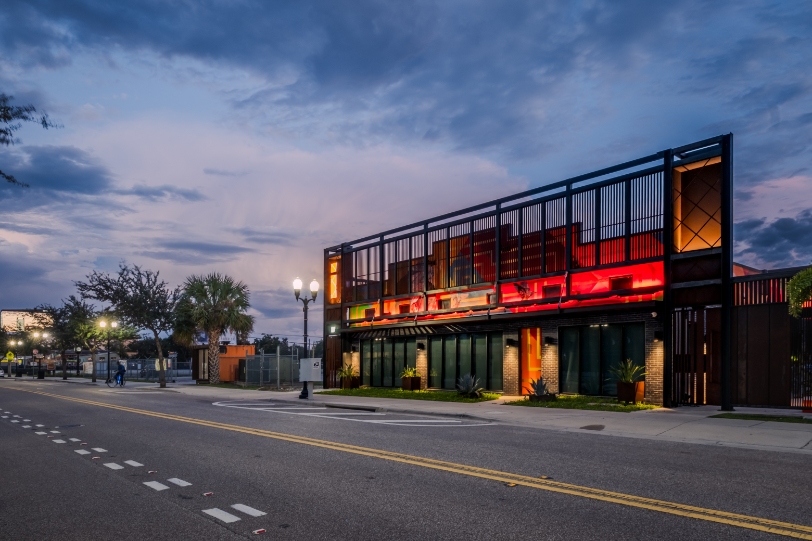
Architecture and design are at the heart of everything we do, led by associate principals Carlo Hernandez and Nate Wallace. Get to know what led them to architecture, what inspires them today and what they aim for Interstruct in the future. Take a look at Interstruct HQ at 814 W. Church Street through the eyes of architectural associate Ricardo Hernandez. And check out some of Interstruct’s latest projects here.
Design + build is the foundation of Interstruct’s approach to construction.
Here’s how it works, and why it makes a difference in everything from a smoother process to a better bottom line.
